Emergency Preparations
What to Do With Good News?

By Edward Teller, Ph.D. (published in the Journal of Civil Defense, Spring 1993) I had just finished a delightful lunch with my grandson. At the end of it, he made a statement as horrible as it was surprising: “A few years ago,” he said, “I thought that the human race would not survive the 21st…
Read MoreIf You Are Always Ready, You Never Have to Get Ready!

By Paul Seyfried I don’t know where you are reading this on a desktop computer or mobile device but for the sake of argument, let’s say a convicted felon is kicking in your door right now. The only weapons you have to fight him off are the items within a 3-foot circle of your current…
Read MoreBiological Hazards
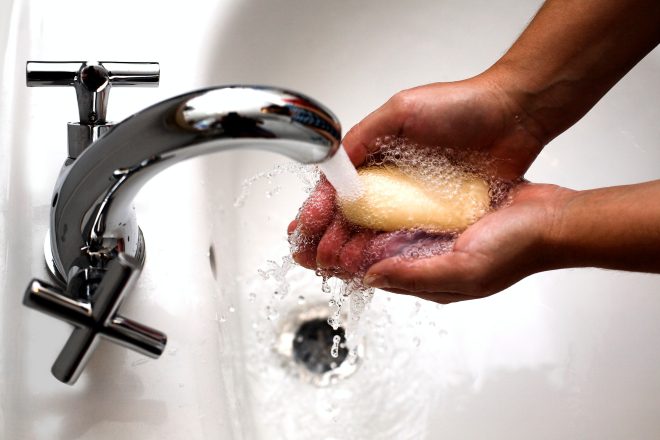
(Source – CDC and Ready.gov) Biological agents are organisms or toxins that can kill or incapacitate people, livestock and crops. A biological attack is the deliberate release of germs or other biological substances that can make you sick. However, in nature there are many items that can prove to be harmful and in some cases…
Read MoreHistory of the 1960s Fallout Shelter Program
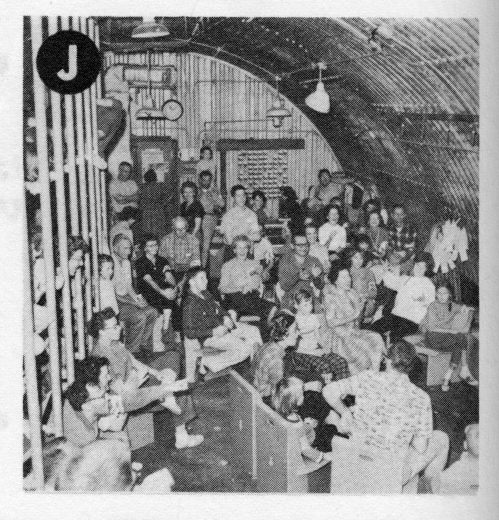
In response to an inquiry by Michael McFall, reporter for The Salt Lake Tribune By Paul Seyfried The National Facility Survey, done in the 1960s, reveals a valuable history of fallout shelters. President Kennedy was a strong advocate of a national shelter program, much like Switzerland’s shelter program is today. His shelter program was modeled…
Read MorePaper, Plastic … or Cloth?

By Jim Rawles We’re sharing an article from our Journal of Civil Defense a few years back – originally found on Survivalblog.com A couple of years ago I was watching a commercial on television that showed two young men as they stood in a check-out line at a grocery store with a 6 pack of…
Read MoreSuper Storm “Sandy” Forum Report
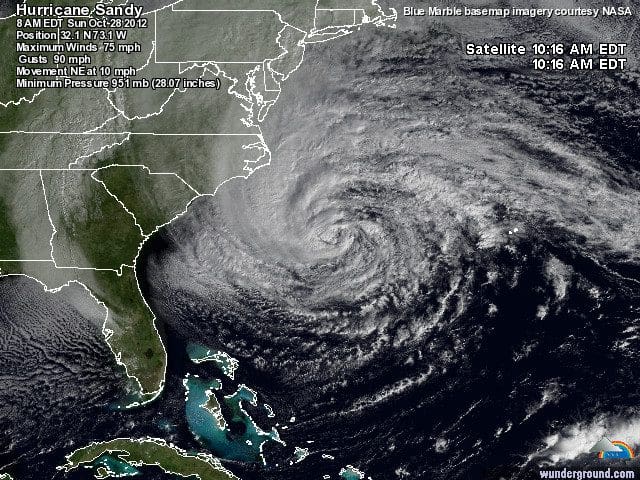
(photo credit: wunderground.com – google images) TACDA was given permission by Pat Jones (Executive Director and CEO of the International Bridge, Tunnel and Turnpike Association, Washington, DC) to share the following report: Sandy Forum Report Final (click to read the pdf report finding) The IBTTA Forum took place just months after Sandy devastated a swath of…
Read More… After an Earthquake
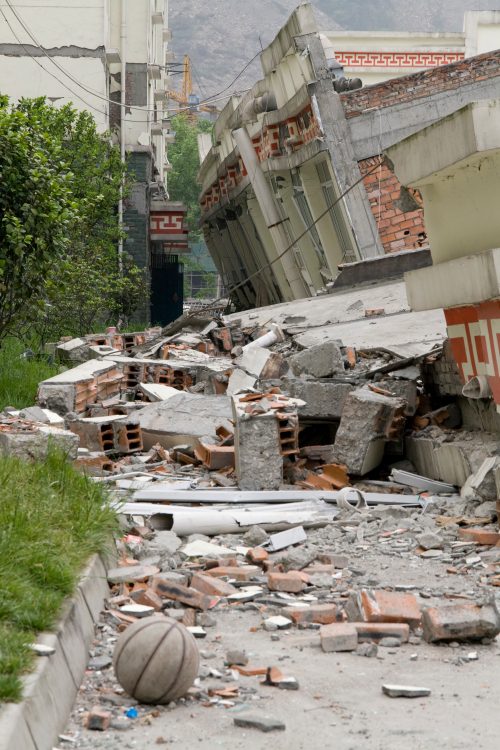
What to Do After an Earthquake Expect aftershocks. These secondary shockwaves are usually less violent than the main quake but can be strong enough to do additional damage to weakened structures and can occur in the first hours, days, weeks, or even months after the quake. Listen to a battery-operated radio or television. Listen for…
Read MoreWater in, Water out – Tips
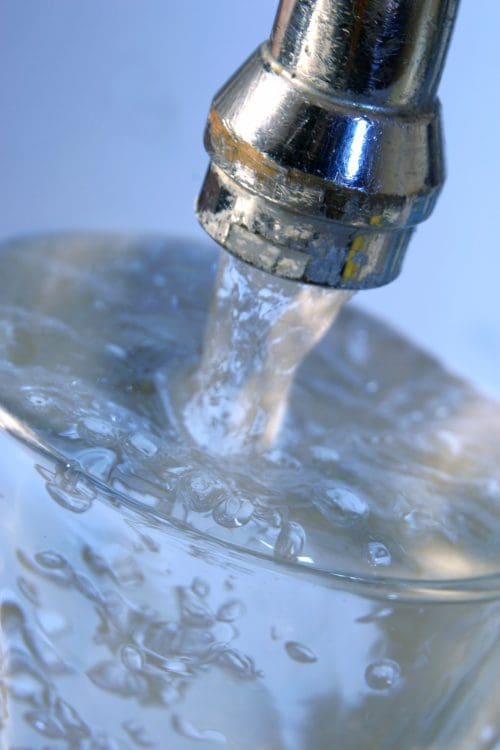
(Courtesy of Bank of America) Water and sewage problems can be costly and inconvenient to repair. That’s why proper maintenance to prevent problems is so important. Here are some tips you may want to consider: Plumbing Periodically check the main water supply and fixture shutoff valves to ensure they are not stuck in the open…
Read More11 Tips for a Safe 4th of July
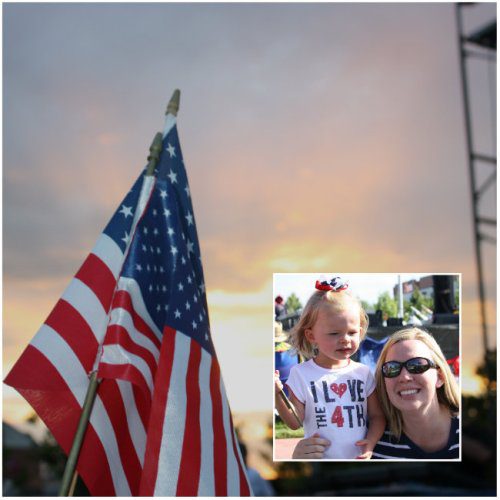
Medical Author: Melissa Conrad Stppler, MD Medical Editor: William C. Shiel Jr., MD, FACP, FACR Be a safe swimmer. Water sports and fireworks are two of the biggest pastimes for Fourth of July celebrations, and these are both linked to numerous deaths and injuries each year. Never swim alone, and make sure that kids’ water…
Read More