Benefits of a Rocket Stove
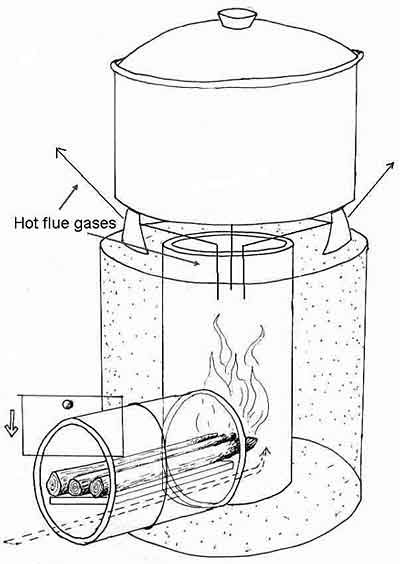
(Illustration of the Rocket Stove concept) Practical Emergency Cooking Methods By Sid Ogden -TACDA Advisory Board Member Major disasters almost always result in loss of power, which could extend to many days or even weeks. Heating our homes and cooking becomes a challenge. Refrigerated and frozen foods need to be consumed or lost. Unprocessed foods…
Read MoreHistory of the 1960s Fallout Shelter Program
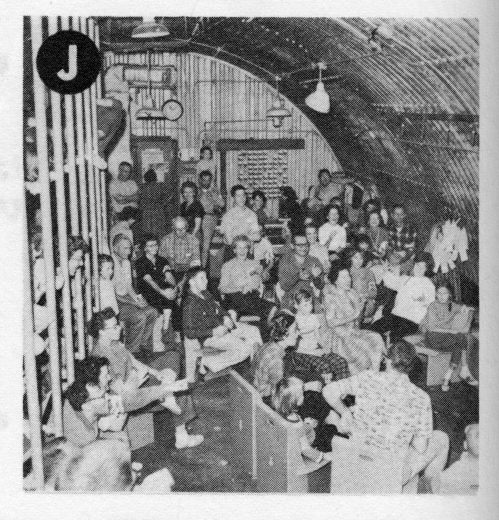
In response to an inquiry by Michael McFall, reporter for The Salt Lake Tribune By Paul Seyfried The National Facility Survey, done in the 1960s, reveals a valuable history of fallout shelters. President Kennedy was a strong advocate of a national shelter program, much like Switzerland’s shelter program is today. His shelter program was modeled…
Read MorePaper, Plastic … or Cloth?

By Jim Rawles We’re sharing an article from our Journal of Civil Defense a few years back – originally found on Survivalblog.com A couple of years ago I was watching a commercial on television that showed two young men as they stood in a check-out line at a grocery store with a 6 pack of…
Read MoreSuper Storm “Sandy” Forum Report
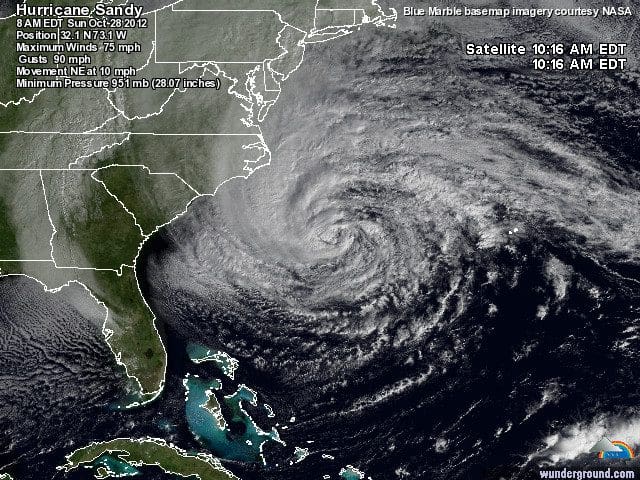
(photo credit: wunderground.com – google images) TACDA was given permission by Pat Jones (Executive Director and CEO of the International Bridge, Tunnel and Turnpike Association, Washington, DC) to share the following report: Sandy Forum Report Final (click to read the pdf report finding) The IBTTA Forum took place just months after Sandy devastated a swath of…
Read MoreFallout Shelters
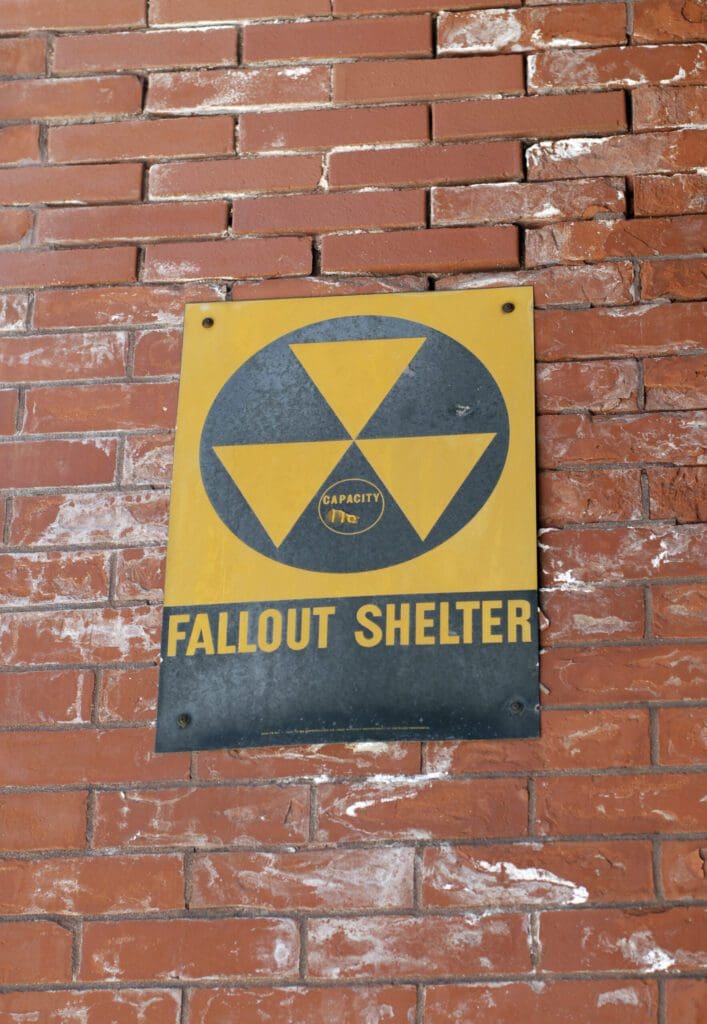
TACDA received the following email from a concerned citizen: Hello, Due to heightened world tensions I recently contacted Emergency Services here in Lane County Oregon to see if we had any public fallout shelters near my town of Florence. I was surprised to discover the public shelter program no longer exists. They didn’t even know…
Read MoreJust in Time Trucking
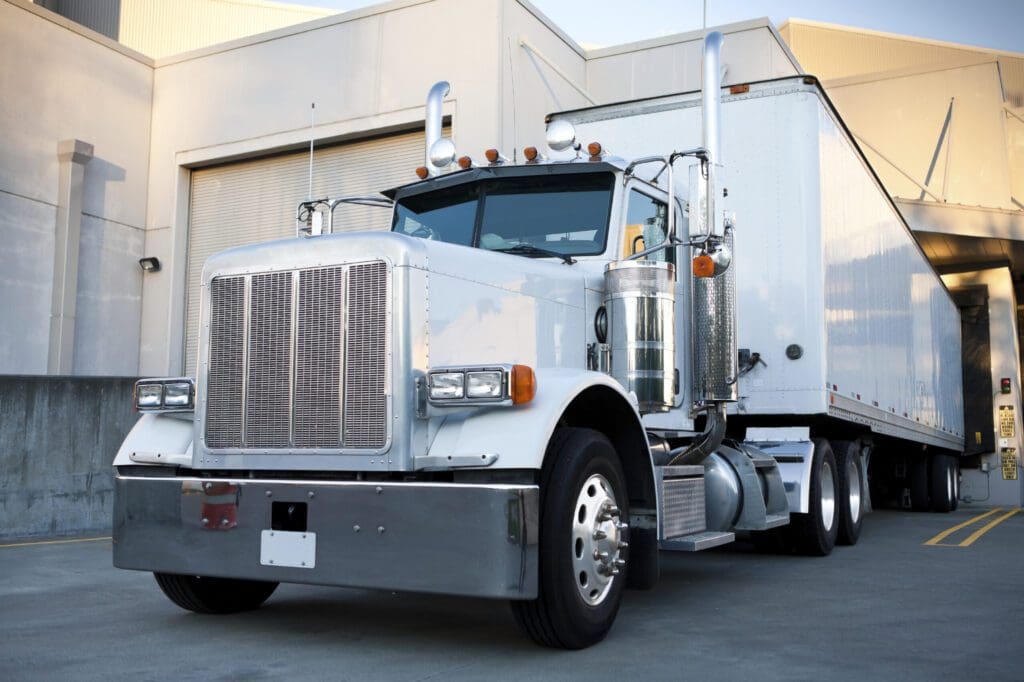
Just in Time Trucking (Taken from the Journal of Civil Defense Archives – www.tacda.org) Most Americans take for granted the intricate systems that make it possible for us to engage in seemingly mundane day to day tasks like filling up our gas tanks, loading up our shopping carts at the local grocery store, obtaining necessary…
Read More… After an Earthquake
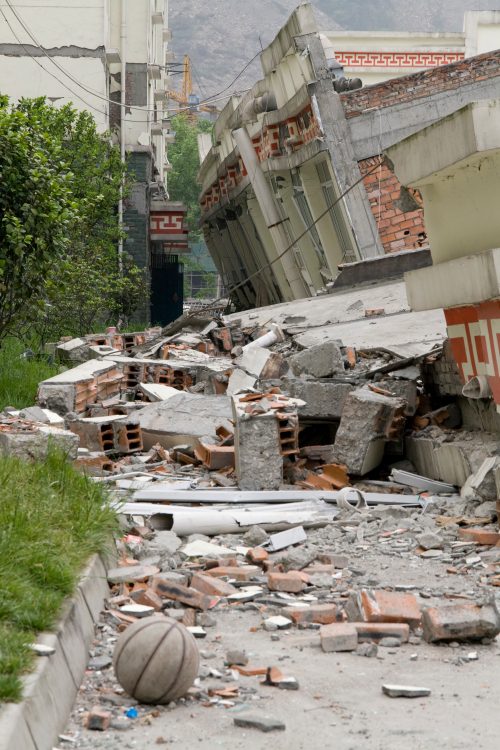
What to Do After an Earthquake Expect aftershocks. These secondary shockwaves are usually less violent than the main quake but can be strong enough to do additional damage to weakened structures and can occur in the first hours, days, weeks, or even months after the quake. Listen to a battery-operated radio or television. Listen for…
Read More… During an Earthquake
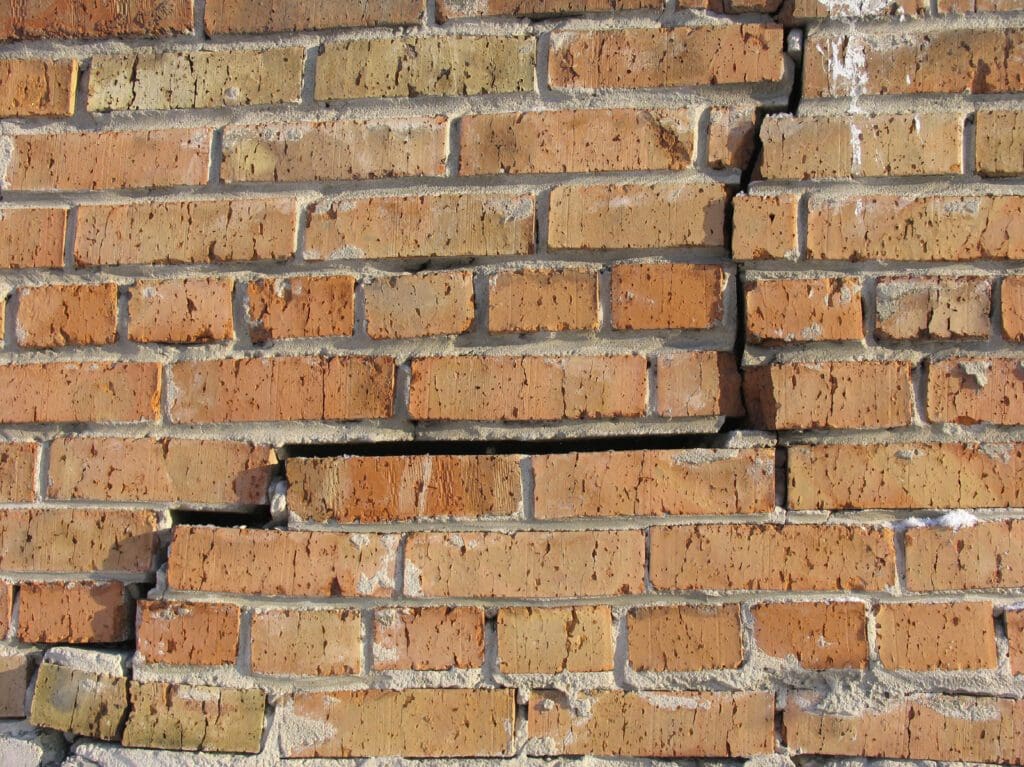
What to do During an Earthquake Stay as safe as possible during an earthquake. Be aware that some earthquakes are actually foreshocks and a larger earthquake might occur. Minimize your movements to a few steps to a nearby safe place and stay indoors until the shaking has stopped and you are sure exiting is safe.…
Read MoreWhat To Do Before an Earthquake
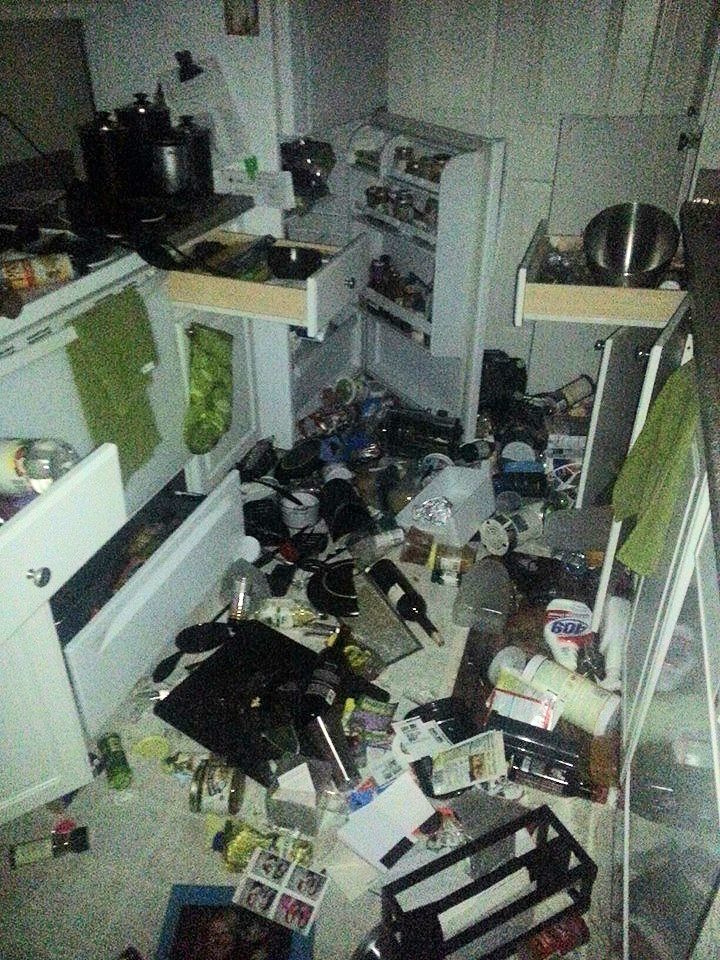
A close family friend recently posted this picture on Facebook. This is what her kitchen looked like following the recent 6.0 earthquake in Napa, California. I decided it would be a good idea to do a series of posts about Earthquake safety as a reminder for those who may live in or near areas where…
Read MoreWater in, Water out – Tips
(Courtesy of Bank of America) Water and sewage problems can be costly and inconvenient to repair. That’s why proper maintenance to prevent problems is so important. Here are some tips you may want to consider: Plumbing Periodically check the main water supply and fixture shutoff valves to ensure they are not stuck in the open…
Read More